
Service
Commercial property maintenance
Commercial property maintenance starts with the condition of the premises, who uses them and which faults need attention first. DK Construction Ltd covers property repairs and refurbishment within its existing trades across Essex, Kent and East London. Discuss the building and the work required before agreeing a scope.
Separate the repair list from a refurbishment brief
An office with a leaking basin, damaged plaster and worn decoration needs a different brief from a space being rearranged for a new occupier. Start by listing the faults that affect use, then record improvements that can be planned separately. Mixing both into an unexplained allowance makes it difficult to judge what a quotation actually covers.
Commercial fit out in Essex can describe anything from refreshed finishes to major changes in a building. An enquiry should identify the intended alterations rather than assume the phrase includes every trade. Structural changes, regulated systems and specialist installations need their own assessment and appropriately qualified input.
Record responsibility before arranging access
The business using a unit is not necessarily responsible for every part of the property. A lease, managing agent or building owner may control permission for work, shared services and exterior surfaces. Establish who can authorise repairs and who needs to approve changes before materials are ordered or a work area is closed.
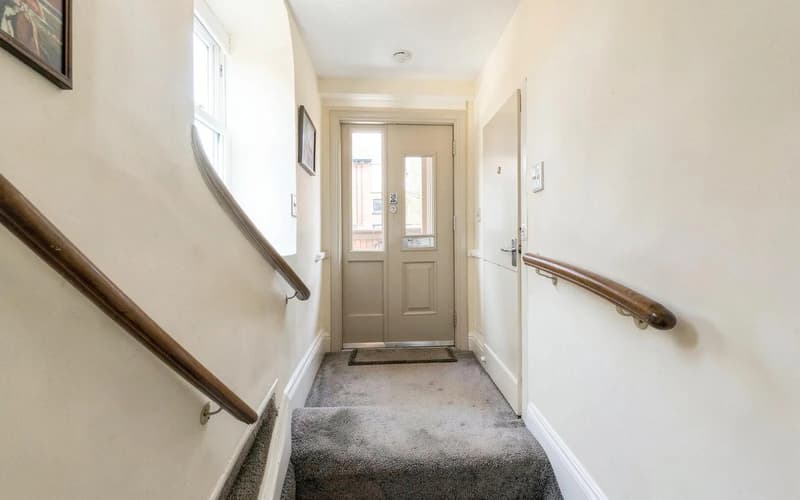
A useful record names the affected room, the defect and any relevant access restriction. Include whether the problem is within the unit or a shared space. Our communal area maintenance page covers common interiors separately, so a private office repair is not confused with a building-wide instruction.
Sequence work around the premises
Occupied commercial rooms need a practical sequence. Plumbing investigation or plaster repairs should precede fresh decoration; floor finishes should not be completed before work that could damage them. Identify desks, stock, customer areas and routes that must remain accessible, then discuss what can safely be isolated while work takes place.
An office refurbishment in Essex may involve changes to finishes without changing the building layout. Explain whether staff remain present, furniture can be moved and any part of the room must remain operational. Those details affect preparation and access; they do not establish a fixed completion period or attendance promise.
Choose planned upkeep or a defined repair
Some enquiries concern a single defect. Others need a way to organise recurring checks and future repairs. The planned and reactive maintenance service explains that distinction, while maintenance plans introduce arrangements for different property-management audiences. The scope should state what is included rather than treat a plan as an unlimited repair allowance.
Separate observations from completed work in your property records. A crack noted during an inspection may require further assessment before a repair can be specified. Keeping that distinction clear helps the person authorising expenditure understand both the current defect and any outstanding decision.
Specify the finish and what remains outside the brief
Property refurbishment in Essex is easier to compare when each area has a defined outcome. State which walls need repair, what woodwork is included and whether existing fittings will be retained. Commercial painting explains preparation and decoration of working interiors without implying a complete fit out.
Ask how concealed damage would be discussed if opening a surface reveals an additional problem. A sensible quotation distinguishes the visible agreed work from items that cannot yet be assessed. Do not assume that fire-safety certification, electrical inspection or other regulated activities are included simply because several maintenance trades appear in the same brief.
Discuss a practical maintenance scope
Send the property postcode, photographs and an itemised list, together with the name of the person responsible for approval. Note any active leak or unsafe area separately from cosmetic work. Photographs help describe a defect, but cannot establish the condition of concealed structure or services.
Use the quote form to request a free quotation for commercial property maintenance. Include whether the enquiry concerns an occupied unit, a change of tenant or shared areas. This allows repairs, finishing work and access arrangements to be discussed as specific tasks instead of an undefined promise to refurbish the entire premises.
Frequently asked questions
Does commercial maintenance include a complete office fit out?
Not automatically. Describe the proposed work so repairs and finishing can be distinguished from layout changes, structural alterations or regulated installations needing separate specialist input.
Who should authorise work in a leased business unit?
Check the lease and the building management arrangements. The occupier, owner or managing agent may control different areas, and consent should be clarified before work is instructed.
Can a repair brief cover both the office and shared hallway?
It can describe both, but identify responsibility and approval for each area separately. A shared hallway may be managed under a different arrangement from the office itself.
Helpful guides
Need commercial property maintenance booked in?
Free quotes, clear pricing and a 1-year workmanship warranty.
Free, no obligation
Get your free quote
Tell us about the property and the work you need. Robert will come back to you with honest advice and a clear price.