
Landlord and agent guide
Planned Versus Reactive Property Maintenance
Reactive maintenance feels cheaper because you only pay when something breaks. Over a five-year period it very rarely is, and the difference is almost entirely in the jobs that were quietly getting worse.
What each approach really means
Reactive maintenance is waiting for a report and responding. Planned maintenance is inspecting on a schedule and dealing with wear before it becomes failure. Every property needs both: nobody can schedule a burst pipe, and nobody should be waiting for a tenant to report a blocked gutter.
The jobs worth scheduling
These are the ones that are cheap while they are small and expensive once ignored.
- Gutters and downpipes cleared before autumn
- External decoration and sealant checked yearly
- Extractor fans tested and cleaned in every wet room
- Silicone and shower seals inspected annually
- Roof and flashing viewed from ground level each year
- Loft and cold-water pipe insulation checked before winter
What stays reactive no matter what
Burst supplies, tenant-caused damage, appliance failure and storm damage are not schedulable. What you can plan is the response: knowing who you call, what they charge out of hours and how quickly they attend, before it happens at eleven at night.
Building a simple yearly plan
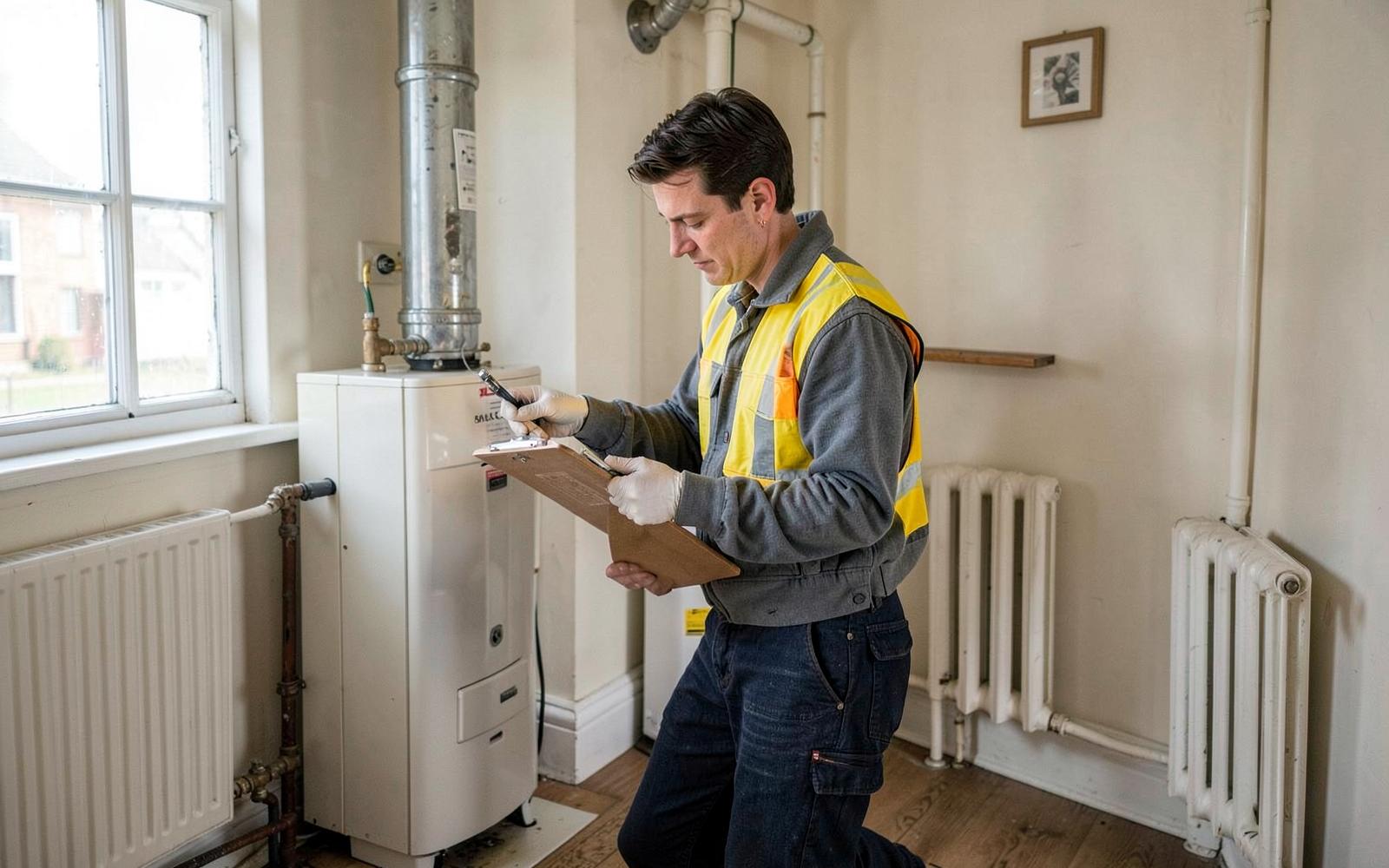
You do not need a management system. One visit a year to each property, a written condition list with photographs, and a decision on each item, do now, do at the next void, or watch it, covers most of the value. We carry out that visit and produce the list.
Frequently asked questions
How often should a rented property be inspected?
Once a year as a building condition check is enough for most properties, with an extra look at anything a tenant has previously reported.
Does planned maintenance actually save money?
Over several years it usually does, mainly by preventing water damage and decoration failures that cost multiples of the original repair.
Can you do planned and reactive work under one arrangement?
Yes, and that is how most of our landlord clients work: a scheduled annual visit plus reactive cover in between.
What should a condition report include?
Dated photographs, a plain description of each defect, and a priority against each one. Anything longer than that tends not to get read.
Services related to this guide
Prefer a straight answer over the phone?
Free quotes, clear pricing and a 1-year workmanship warranty.
Free, no obligation
Get your free quote
Tell us about the property and the work you need. Robert will come back to you with honest advice and a clear price.